Pouto Peninsula Camping Guide: 10 Best Things to Do Near Ripiro Beach & Kaipara Harbour
Looking for the best things to do on the Pouto Peninsula? If you’re planning a Northland escape, Pouto is a rugged, remote corner of the Kaipara that’s perfect for people who love wide-open beaches, big skies, birdlife, fishing, and switching off.
This guide covers the top experiences near Pouto, including Ripiro Beach (New Zealand’s longest beach), the Kaipara Harbour shoreline, sand dunes, shipwreck history, and the iconic Pouto Lighthouse.
If you’re camping locally, base yourself at Pouto Camping’s two campgrounds: Glinks Gully (west coast beach + dunes) or Kellys Bay (calmer Kaipara Harbour side).
Quick facts for visiting the Pouto Peninsula
- Best time to visit: Late spring to early autumn for warmer weather; winter can be incredible for dramatic west coast skies and quiet beaches.
- Bring: Sun protection, wind layer, insect repellent, head torch, and a rubbish bag (leave-no-trace).
- Supplies: Stock up before you arrive (Dargaville is the main hub).
- Reception: Mobile coverage can be limited depending on location and network, plan accordingly.
- Booking: You’ll need to book and pay in advance (especially in peak periods).
2) Walk the Glinks Gully dunes for panoramic views
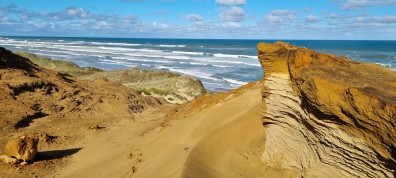
The dune country around Glinks Gully campground is classic Pouto, big wind-shaped landscapes with sweeping views across the coastline. A short walk can deliver sunrise or sunset scenes that look straight out of a film set.
Whether you’re exploring on foot or simply soaking in the scale of the landscape, the dunes are a standout feature of the area.
Tip: Go early or late for softer light, and take water, there’s little shelter and the wind can be strong.
3) Visit the Pouto Lighthouse and Kaipara Harbour entrance viewpoints
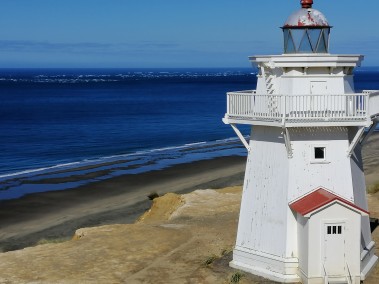
Pouto Lighthouse is one of the area’s most recognisable landmarks. The lighthouse and surrounding viewpoints are a great way to understand just how powerful the Kaipara entrance can be and why this coastline has such a strong maritime history.
Bring: sturdy footwear, a wind layer, and your camera.
4) Birdwatching around the Kaipara Harbour
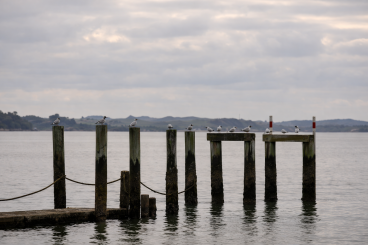
The Kaipara is internationally significant for birdlife. Depending on the season, you may spot waders, seabirds, and coastal species feeding along the harbour edge and mudflats.
Keep distance, move slowly, and avoid disturbing roosting areas, responsible viewing helps protect habitats and keeps the area special.

5) Discover shipwreck history and ‘the Graveyard’ stories
The Pouto coastline is steeped in shipwreck history. Changing sands, surf conditions, and the Kaipara entrance have shaped generations of local stories.
If you’re interested in maritime history, add a stop to learn about the area’s shipwreck past, especially after big winter storms when the coastline can change.
6) Fishing: surfcasting on the west coast or calmer harbour spots
Fishing is one of the biggest reasons people head to Pouto. Depending on conditions, you can try surfcasting along Ripiro Beach or explore sheltered harbour areas for a different style of fishing.
Local conditions change fast, check weather and tides, and prioritise safety when fishing near surf or channels.
7) Kayak or paddleboard the Kaipara Harbour side
On calmer days, the Kaipara Harbour side can be a brilliant place for a gentle paddle. The sheltered water and wide horizons make it ideal for a slow adventure, especially if you’re travelling with family.
Always assess conditions first and wear a life jacket, the wind can pick up quickly.
8) Take a Dargaville day trip for supplies, cafés, and history
Dargaville is the key service town for the area approximately 40 minutes drive away, handy for supplies, fuel, and a café stop. It’s also a good place to learn more about the region’s history and the wider Kaipara story.
If you’re staying a few nights, a quick Dargaville run can make the rest of your trip much easier.
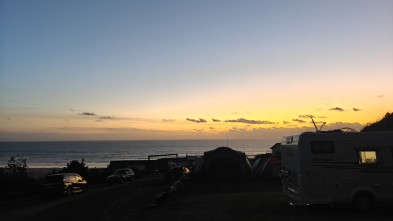
9) Plan a ‘golden hour’ photo mission (sunrise or sunset)
Pouto is an absolute gift for photographers: west coast sunsets, dune textures, dramatic skies, and reflections along the harbour edge. Even if you’re not a photographer, a golden-hour walk is one of the simplest ways to enjoy the peninsula.
Tip: Pack a light wind layer, temperatures can drop fast after the sun goes down.
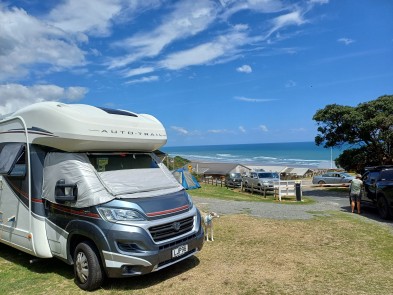
10) Unplug, slow down, and enjoy true off-grid vibes
One of the best things to do near the Pouto Peninsula is… nothing. The area is quiet, spacious, and naturally paced. Bring a book, cook outside, watch the sky, and let the days reset your brain.
If you’re choosing between campgrounds: Glinks Gully campground suits people chasing west coast beach energy and dune walks, while Kellys Bay campground is a great option for a calmer harbour-side base.
Where to stay: Pouto Camping
Pouto Camping manages two campgrounds on the peninsula.
- Glinks Gully Campground (Ripiro Beach/Dunes) and Kellys Bay Campground (Kaipara Harbour side).
- Book now (Advance booking required).
- Getting here.
- NZMCA Involvement.
FAQ: Pouto Peninsula travel and camping
Do I need a 4WD to visit Ripiro Beach?
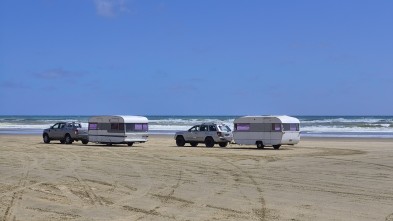
Many visitors enjoy Ripiro Beach on foot. If you’re considering driving on the beach, check tides and sand conditions first and only proceed if it’s safe and suitable for your vehicle and experience level.
Is it safe to drive on Ripiro Beach?
Beach driving carries real risks (tides, soft sand, changing channels). If you’re not confident, skip driving and enjoy the beach on foot. If you do drive, check tide times, avoid the waterline, and don’t drive in poor weather or low visibility.
How far is the Pouto Peninsula from Dargaville?
It’s roughly a 45 - 60 minute drive depending on your exact destination and road conditions. Allow extra time for stops and be ready for rural driving.
What’s the difference between Glinks Gully and Kellys Bay campgrounds?
Glinks Gully is positioned for west coast beach and dune access, while Kellys Bay sits on the Kaipara Harbour side with a calmer feel. Choose based on the kind of coastline and activities you want.
Do I need to book Pouto campgrounds in advance?
Yes, advance booking and payment is required. This helps manage capacity and protects the environment. Book early for summer weekends and holiday periods.
Is there mobile reception on the Pouto Peninsula?
Coverage can be limited and varies by network and exact location. Plan as if reception will be patchy: download maps, confirm booking details ahead of time, and let someone know your plans if heading into remote areas.